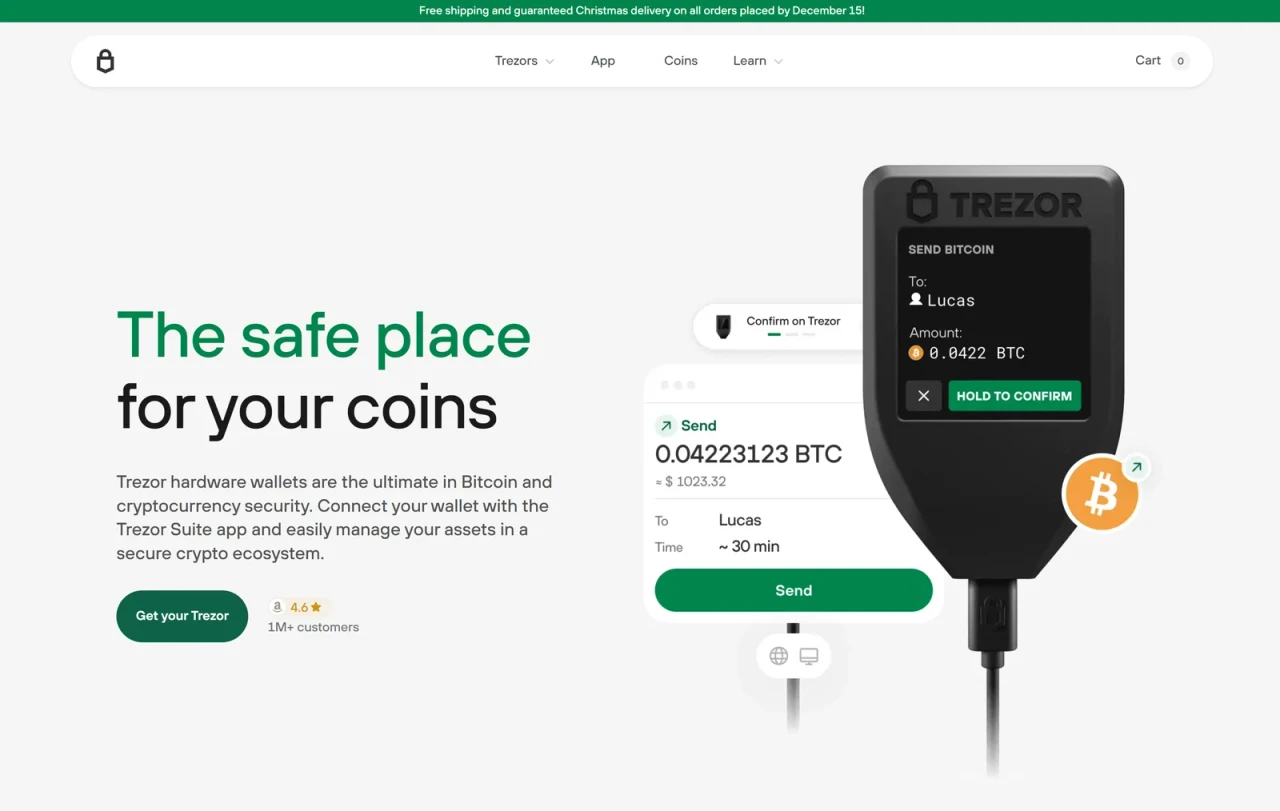
Trezor Bridge Download — Securely Connect Your Trezor Wallet to Your Computer
Introduction: Understanding Trezor Bridge
Trezor Bridge is a crucial software application that allows your Trezor hardware wallet to communicate securely with your computer. It acts as a bridge between your hardware device and desktop applications or web browsers, enabling you to manage your cryptocurrency safely. The software ensures that all sensitive operations, including sending and receiving transactions or signing messages, occur without exposing your private keys to the internet.
Without Trezor Bridge, your Trezor hardware wallet cannot function properly with certain web-based wallets or browser applications. Installing this application is essential for both new and experienced users who want reliable access to their cryptocurrency accounts.
This guide will cover the full details about downloading, installing, setting up, and using Trezor Bridge, along with best practices for security, troubleshooting tips, and advanced features.
What Is Trezor Bridge
Trezor Bridge is a lightweight background application designed to facilitate communication between a Trezor hardware wallet and the computer’s operating system. Its primary purpose is to provide a secure channel for interactions while keeping all private keys safely stored on the hardware device.
The software translates requests from your computer or browser into actions on your Trezor device. Whether you are verifying transactions, managing multiple accounts, or interacting with decentralized applications, Trezor Bridge ensures that communication remains encrypted and secure.
Unlike other solutions such as browser extensions, Trezor Bridge runs locally on your computer. It never stores private keys, passwords, or sensitive data, making it a reliable solution for anyone who wants to keep cryptocurrency assets safe.
Why You Need Trezor Bridge
Trezor Bridge is essential for users who want to interact with their hardware wallet from a computer. Many web-based wallets and decentralized applications rely on Bridge to detect and communicate with your device. It is particularly important for the following reasons:
Enables secure USB communication between your Trezor device and computer.
Allows browser applications to interact with the hardware wallet.
Ensures that all transactions are verified on the device before they are executed.
Supports multiple operating systems including Windows, macOS, and Linux.
Facilitates compatibility with modern web browsers.
Installing Trezor Bridge ensures a seamless and secure experience when managing your cryptocurrency portfolio.
Downloading Trezor Bridge
The first step to using Trezor Bridge is downloading it from the official source. Always ensure that you are downloading the software from a trusted source to avoid malware or compromised versions.
Steps to download Trezor Bridge:
Choose the version compatible with your operating system. Options include Windows, macOS, and Linux.
Save the installer file to your computer.
Prepare to install the software by closing any unnecessary applications that might interfere with the installation process.
Downloading from a secure source ensures that your installation is authentic and free from malware, which is critical when dealing with cryptocurrency.
Installing Trezor Bridge
For Windows
Open the downloaded
.exefile.Follow the on-screen instructions to complete the installation.
Once installed, Bridge typically runs in the background automatically.
Restart your browser or desktop application to detect the Trezor device.
For macOS
Open the downloaded
.dmgfile.Drag the Trezor Bridge icon into your Applications folder.
Approve any security prompts that may appear.
Restart your browser or application to ensure the device is detected.
For Linux
Download the appropriate package for your Linux distribution, usually
.debor.rpm.Install the package using your system’s package manager.
Ensure that the Bridge service is running and ready to detect your Trezor device.
Proper installation of Trezor Bridge allows secure communication between your computer and your Trezor device, enabling all features safely.
Connecting Your Trezor Device
After installing Trezor Bridge, connect your hardware wallet to your computer:
Use a USB cable to connect your Trezor device, or Bluetooth for supported devices.
Enter your PIN on the device to unlock it.
Trezor Bridge will detect the hardware wallet and enable communication with applications.
All actions, including sending transactions or managing accounts, must be confirmed directly on the device. This ensures that private keys never leave the hardware wallet and your assets remain secure.
Using Trezor Bridge With Applications
Trezor Bridge enables smooth integration with desktop wallets and web-based cryptocurrency applications. Users can:
Access account balances and transaction history.
Send and receive cryptocurrency securely.
Swap or exchange supported cryptocurrencies.
Interact with decentralized finance platforms and Web3 applications.
Every action requires confirmation on the Trezor device itself, adding an additional layer of security.
Security Best Practices
Trezor Bridge is designed to provide secure communication, but user practices also matter for maximum protection:
Always download Bridge from an official source.
Do not share your recovery seed with anyone or enter it online.
Verify addresses and transaction amounts directly on your Trezor device.
Keep both your computer and software up to date.
Avoid using public Wi-Fi networks when accessing cryptocurrency accounts.
By combining Trezor Bridge with these best practices, you can significantly reduce the risk of unauthorized access or phishing attacks.
Updating Trezor Bridge
Keeping Trezor Bridge up to date ensures compatibility with your hardware wallet, applications, and browsers. New versions typically include security improvements and bug fixes.
Check for updates periodically on the official website.
Follow installation prompts to update the software.
Restart your browser or desktop application after updating.
Regular updates help maintain a smooth and secure experience while managing cryptocurrency.
Troubleshooting Common Issues
Occasionally, users may encounter connectivity problems with Trezor Bridge. Common issues and solutions include:
Device not detected: Verify the USB connection or try a different port. Restart the computer or browser.
Browser not detecting Trezor: Ensure your browser is up to date and restart it. Disable conflicting extensions.
Firmware mismatch: Update your Trezor hardware wallet firmware if prompted.
Most problems are resolved by reinstalling Bridge or restarting the system.
Advanced Features
Trezor Bridge supports advanced features for experienced users:
Enables interaction with multiple browsers simultaneously.
Encrypts all communication between the device and applications.
Provides seamless integration with decentralized applications.
Works on multiple operating systems including Windows, macOS, and Linux.
These features enhance the user experience and expand the range of activities you can safely perform with your Trezor device.
Mobile Considerations
While Trezor Bridge primarily supports desktop browsers, mobile integration is possible when using the Trezor Suite App. Connecting via Bluetooth or USB allows secure mobile management of cryptocurrency portfolios. Every transaction still requires confirmation on the hardware wallet, ensuring full protection.
Avoiding Scams
Even with Trezor Bridge installed, users must remain vigilant:
Only download the software from official sources.
Avoid third-party versions or modified installers.
Do not share recovery seeds or PINs with anyone.
Verify all websites before connecting your Trezor device.
Careful practices combined with Trezor Bridge’s encrypted communication provide strong protection for your digital assets.
Logging Out and Disconnecting
After using your Trezor device:
Disconnect it from your computer.
Close the browser or application.
Ensure no sensitive data remains accessible on your system.
These simple steps complement the security provided by Trezor Bridge and your hardware wallet.
Conclusion: Trezor Bridge — Secure and Essential
Trezor Bridge is an essential tool for anyone using a Trezor hardware wallet. It provides encrypted communication between your computer or browser and your Trezor device, ensuring that your private keys remain offline and secure.
Key advantages of Trezor Bridge:
Secure USB communication with Trezor devices
Supports Windows, macOS, and Linux
Enables interaction with both desktop and web applications
Encrypts all data transmitted between the hardware wallet and software
Ensures transactions are only executed after device confirmation
By installing Trezor Bridge, you gain a reliable, secure connection between your hardware wallet and computer, allowing you to manage cryptocurrency safely, efficiently, and confidently.